
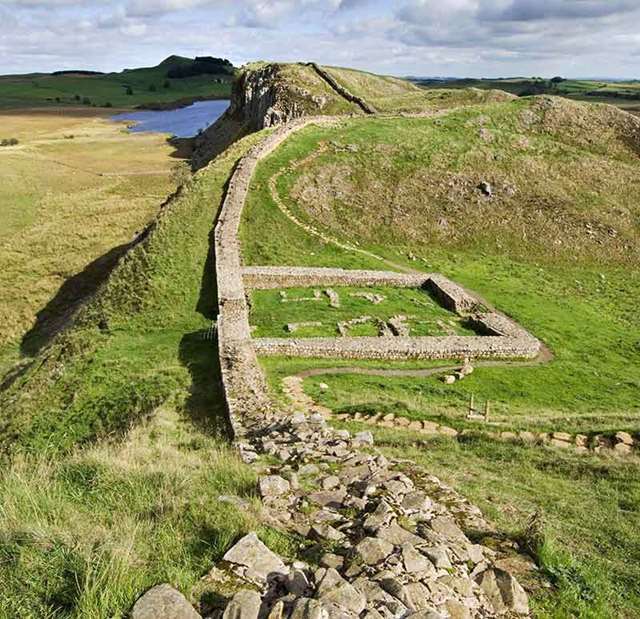
A UNESCO World Heritage Site, this ancient wall marks the northern boundary of the Roman Empire in Britain, offering an incredible journey through history and stunning landscapes.
Overview
Hadrian’s Wall stretches across Northern England from the east coast to the west coast, a remarkable feat of Roman engineering. Built under Emperor Hadrian in the 2nd century AD, it was originally 80 miles long and served as a defensive fortification against northern tribes.
History
Constructed between 122 and 128 AD, Hadrian’s Wall marked the frontier of the Roman Empire in Britain. The wall included a series of forts, milecastles, and watchtowers, which helped the Romans control the region and defend against local tribes.
What to See
Visitors can explore various sections of the wall:
- The fort at Vindolanda, one of the best-preserved Roman sites in the UK
- The milecastles and watchtowers scattered along the wall
- The interactive museum at the Roman Army Museum
- The dramatic landscapes surrounding the wall
Location
Hadrian’s Wall stretches across Northern England from Wallsend (Newcastle upon Tyne) on the east coast to Bowness-on-Solway on the west coast.
Visitor Information
- Best time to visit: Spring and autumn for mild weather and fewer crowds
- Recommended duration: 4–5 hours to explore key sites
- Ticket: Free to walk along the wall, though some forts and museums charge an entry fee